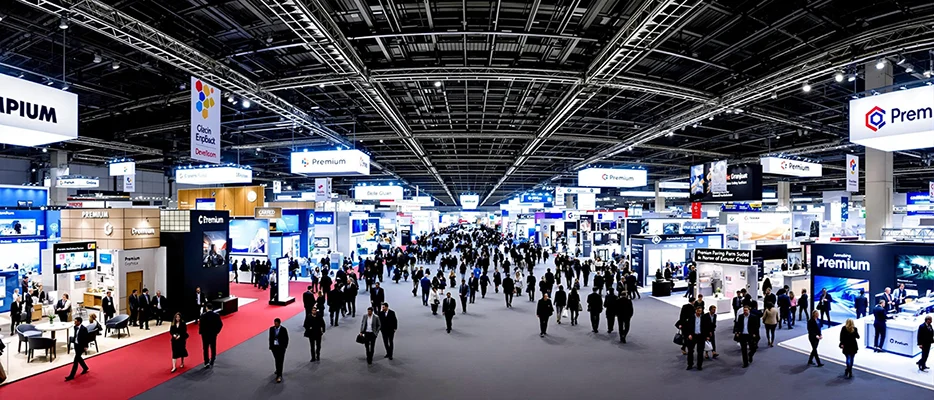
Exhibitions are the beating heart of business communication. They are among the most effective direct marketing tools, allowing businesses to engage with customers, partners, competitors, and industry professionals within a limited timeframe and in a targeted environment. However, simply participating in an exhibition is not enough to guarantee success. What sets a brand apart is the way it plans, executes its marketing strategy, and engages professionally throughout the event.
Participating in an exhibition is a significant marketing investment. Success requires careful planning, a professional team, effective booth design, and consistent follow-up. Exhibitors who attend with a marketing mindset not only strengthen their brand presence but also create opportunities for sales growth and market expansion.
Why Is Exhibition Marketing Important?
An exhibition provides a valuable opportunity to attract the attention of audiences who are actively looking for a solution, product, or business partnership. In fact, every visitor represents a valuable lead. Effective marketing before, during, and after the exhibition can significantly increase return on investment.
Strategies for a Successful Exhibitor Presence
Preparation Before the Exhibition
Set clear objectives for your participation:
Are you looking to attract new customers, introduce a product, or expand your business relationships?
Promote your participation:
Announce your presence at the exhibition through your website, social media channels, and SMS marketing directed at your target audience.
Prepare promotional materials:
Have your catalogs, business cards, promotional gifts, and product demonstrations ready in advance.
Design an Attractive and Professional Booth
The booth should be visually appealing while also reflecting the brand’s identity.
Using suitable lighting, high-quality images, and interactive product displays is highly recommended.
Build a Well-Trained Booth Team
Booth staff should be properly trained to communicate effectively with visitors, provide technical information, and identify sales opportunities.
A friendly attitude, professional body language, and active listening are essential.
Collect Visitor Information
Use digital or paper forms to record the information of potential customers.
Prioritize and rank leads to ensure effective follow-up after the exhibition.
Follow Up After the Exhibition
Sending a thank-you message, offering a special promotion, or inviting prospects to a meeting are just some of the actions taken by successful exhibitors.
Prompt follow-up can significantly increase the likelihood of converting leads into customers.